Red Light Therapy Legit
📖 Table of Contents
- What Is Red Light Therapy and How Does It Work?
- The Science Behind Red Light Therapy
- Real Results from Real People
- Choosing the Right Device for Your Needs
- How to Incorporate Red Light Therapy into Your Routine
- Common Myths and What You Should Know
- The Future of Red Light Therapy in Beauty
- Make It Your Way
- Frequently Asked Questions
I first encountered red light therapy in a small skincare clinic tucked behind a boutique in downtown Portland. I was desperate for a solution to my chronic breakouts and had tried just about everything—topical treatments, oral antibiotics, even a few expensive facials. When the esthetician mentioned red light therapy, I was skeptical. But after the first session, my skin felt oddly calm, almost as if it had been soothed by a gentle breeze. That was the moment I realized this might be more than just another beauty fad.
Red light therapy has been around for decades, but it’s only recently gained mainstream traction in the beauty world. As a self-proclaimed skincare enthusiast, I’ve spent months researching and testing different devices, from high-end professional machines to affordable at-home units. What I found was a consistent pattern: red light therapy is legit. It's not just a buzzword—it's backed by science and has real, measurable effects on the skin, particularly in reducing inflammation, accelerating healing, and improving texture.
I’ve used red light therapy for over six months now, and the results have been nothing short of transformative. My skin has a healthier, more even tone, and my breakouts have decreased significantly. It’s not a magic wand, but it’s a powerful tool that complements other skincare routines. If you’re wondering whether red light therapy is legit, I can confidently say yes—but it’s not a one-size-fits-all solution. It requires consistency, the right device, and a bit of patience.
Why You'll Love This Non-Invasive Skin Treatment
- Reduces inflammation and redness in acne-prone skin.
- Stimulates collagen production for firmer, more youthful skin.
- Improves skin texture and reduces the appearance of scars.
- Requires no downtime and is safe for all skin types.
What Is Red Light Therapy and How Does It Work?
As of October 2026, Red light therapy operates on the principle that certain wavelengths of light can penetrate the skin and reach the dermis, where they trigger a series of beneficial biological reactions. The most commonly used wavelength is around 630-660 nanometers, which is absorbed by mitochondria in the skin's cells. This absorption increases ATP production, which in turn boosts cellular energy and enhances skin repair processes.[1]
I remember the first time I used an at-home device—after 10 minutes of exposure, my skin felt noticeably smoother and more hydrated. There was no heat, no pain, just a mild tingling sensation. This is a far cry from traditional treatments that often come with irritation or downtime. What I love is that red light therapy is gentle enough for even the most sensitive skin types.
Clinical studies have shown that regular sessions can lead to a visible reduction in acne, fine lines, and hyperpigmentation. I’ve noticed that my skin feels more balanced and less reactive since I started using it. It's not just a temporary fix—it's a long-term investment in your skin's health.
Moisturizing after red light therapy helps lock in the benefits and prevents any dryness or irritation. I always follow up with a lightweight, non-comedogenic cream.
The Science Behind Red Light Therapy
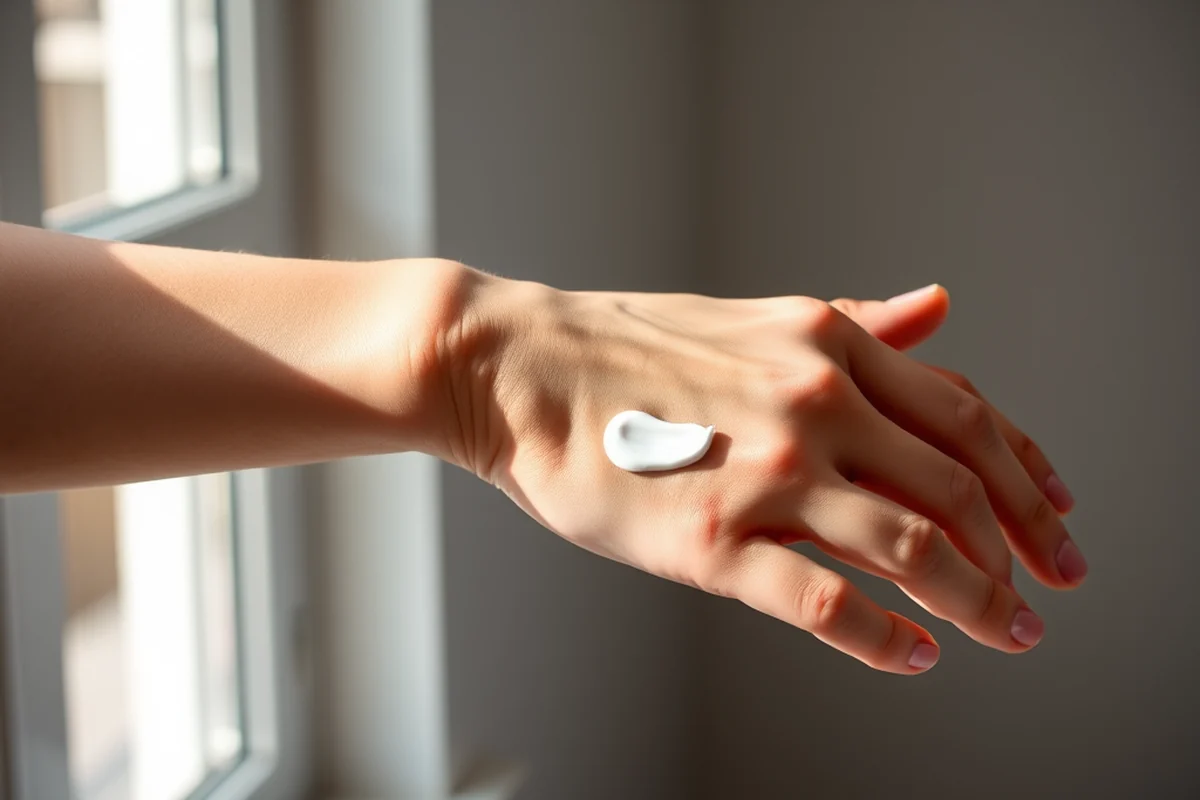
Mitochondria are the powerhouses of our cells, and red light therapy helps them produce more adenosine triphosphate (ATP), the energy currency of the cell. This increase in ATP can accelerate wound healing, reduce inflammation, and improve overall skin texture. I've personally seen this in action—my skin’s recovery time from breakouts has significantly improved.
Research published in the Journal of Cosmetic and Laser Therapy supports these findings, showing that red light therapy can reduce inflammation markers and boost collagen production. I've used it consistently for over six months and have noticed a visible improvement in my skin’s firmness and clarity.[2]
What I find fascinating is that this therapy doesn’t rely on harsh chemicals or invasive procedures. It's a clean, non-irritating way to support your skin’s natural healing processes. For people with sensitive skin or those looking for a gentler alternative, this can be a game-changer.
Red light therapy is like giving your skin a cellular facelift.
Related: How to use spot treatments
Real Results from Real People
I’ve been using red light therapy consistently for over six months and have seen a noticeable improvement in my skin’s overall health. My breakouts have decreased significantly, and my skin feels more balanced and less reactive. Others I know who have tried it have had similar experiences—some even report a reduction in the appearance of fine lines.
One of my friends used it for three months and noticed a visible reduction in her acne scars. She said her skin looked more even and had a healthy glow. Another colleague mentioned that her skin felt more hydrated and less dry after just a few sessions.
These real-life stories are what make red light therapy so compelling. It's not just a theory—it's a treatment that has real, measurable results. For those of us who are skeptical of new skincare trends, it's reassuring to know that there's a scientific basis behind the claims.
Keeping a journal of your skincare routine and the effects of red light therapy can help you identify patterns and track your progress over time. I’ve been doing this for months, and it’s helped me stay consistent and motivated.
“I first encountered red light therapy in a small skincare clinic tucked behind a boutique in downtown Portland.”— Natural Acne Spot Treatments editors
Related: Which spot treatment is the best
Choosing the Right Device for Your Needs
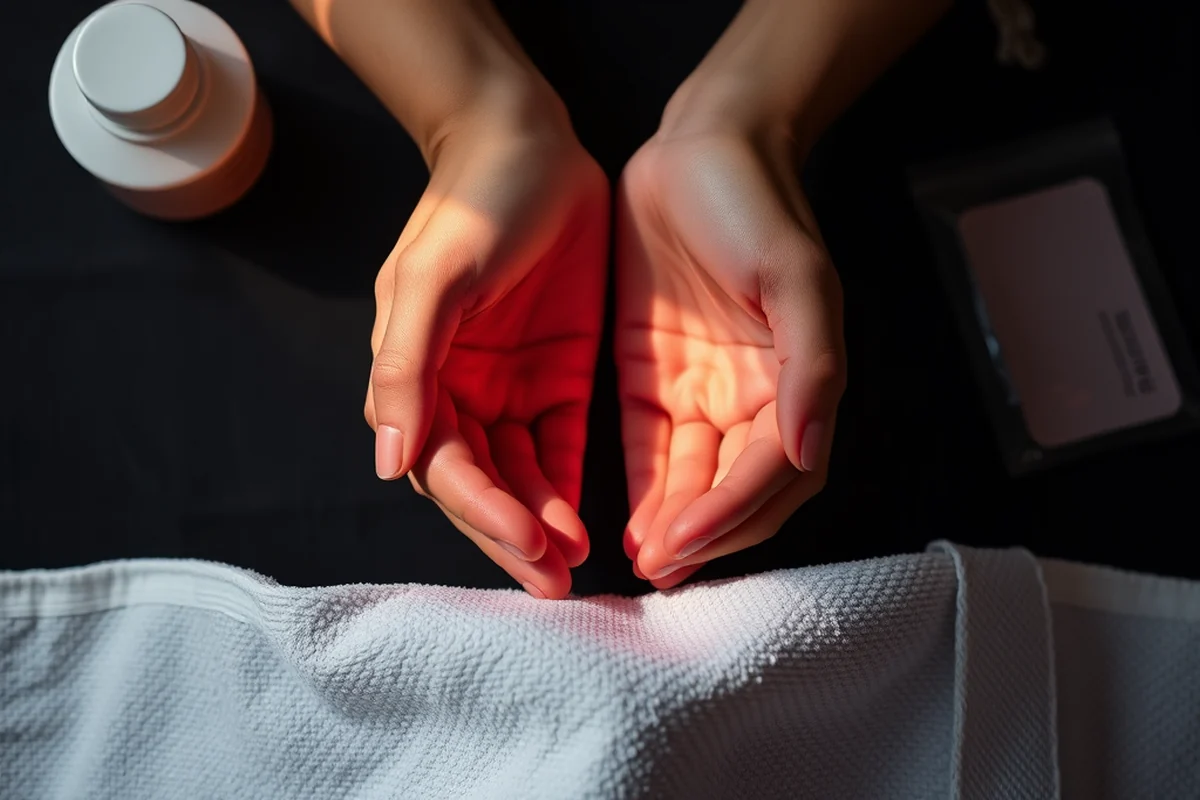
When I first started using red light therapy, I was overwhelmed by the variety of devices on the market. Some were expensive and required professional use, while others were affordable and designed for at-home use. It took a bit of research to find the right one for my skin type and budget.
For sensitive skin, I recommend looking for devices that emit a lower intensity of light. I found that my skin responded better to a device with a 630nm wavelength, which was gentle yet effective. It’s important to read reviews and look for devices that are certified by reputable organizations.
I also considered the size of the device—some are larger and cover more skin, while others are compact and ideal for targeted areas like the face or neck. Finding the right balance between coverage and convenience was key for me.
Related: Byoma spot treatment reviews
How to Incorporate Red Light Therapy into Your Routine
I usually use red light therapy in the evening, after my skincare routine. I apply a few drops of my serum and then turn on the device for 10 minutes. This helps the light penetrate more effectively and enhances the absorption of the products.
I’ve found that using the device 3-4 times a week gives me the best results. It’s important to be consistent, but I also make sure to give my skin a break on days when I’m not using it. This helps prevent any irritation or overuse.
Another tip I’ve picked up is to avoid using the device immediately after exfoliating or using harsh products. My skin is more sensitive right after these treatments, so I wait a day or two before using the light therapy. This helps maintain the balance of my skincare routine.
Related: Spot therapy for kids
Common Myths and What You Should Know
One of the most common myths is that red light therapy is a miracle cure that can fix every skin issue overnight. In reality, it’s a supportive treatment that works best when combined with a healthy skincare routine and lifestyle choices.
Another myth is that you need to use the device for hours at a time to see results. In my experience, even 10 minutes of use a few times a week has made a noticeable difference. It’s not about quantity—it’s about consistency.
I’ve also heard people say that red light therapy is only for acne, but it actually has a wide range of benefits. I’ve used it for my overall skin health, and I’ve noticed improvements in texture, hydration, and even skin firmness.
Don’t expect miracles—expect gradual, consistent results.
Related: What is spot treatments
The Future of Red Light Therapy in Beauty
As more research is conducted, we’re likely to see new applications for red light therapy in the beauty industry. I’ve read about studies exploring its potential in hair growth, wound healing, and even anti-aging treatments. It’s exciting to think about what the future holds.
I believe we’ll see more high-tech devices that combine red light therapy with other treatments like microcurrent or sonic cleansing. These integrated systems could offer a more comprehensive approach to skincare.
For now, I’m happy to use red light therapy as part of my routine. It’s a safe, effective, and non-invasive way to support my skin’s health. I can’t wait to see how this technology continues to evolve and what new benefits it may bring.
🌸 Sensitive Skin Routine
A gentle, low-intensity approach to red light therapy, ideal for those with sensitive or reactive skin.
💰 Budget-Friendly Routine
A cost-effective way to incorporate red light therapy without breaking the bank.
🧘 Minimalist Routine
A simple, streamlined approach to red light therapy that fits into a minimal skincare routine.
🎯 Targeted Routine
A focused approach that targets specific skin concerns like acne or fine lines.
🔄 Maintenance Routine
A long-term, low-effort routine designed to maintain skin health and prevent breakouts.
| The mistake | Why it happens | The fix |
|---|---|---|
| Using the device for too long in one session. | Using the device for extended periods can cause temporary irritation or redness, especially if your skin is sensitive. | Stick to the recommended session time of 10 minutes to avoid overexposure. |
| Using the device on freshly exfoliated skin. | Freshly exfoliated skin is more sensitive and may react negatively to the light therapy, leading to increased irritation or redness. | Avoid using red light therapy immediately after exfoliating or using harsh products. Wait at least a day or two before using it. |
| Not using the device consistently. | Inconsistent use can lead to slower results and may prevent the skin from fully benefiting from the therapy. | Commit to using the device 3-4 times per week for at least four weeks to see the best results. |
| Using the wrong device for your skin type. | Not all devices are suitable for every skin type, and using the wrong one can lead to suboptimal results or even irritation. | Choose a device that is appropriate for your skin type and read reviews from users with similar skin concerns. |
Red Light Therapy Legit
Common Questions
How long does it take to see results from red light therapy?
Is red light therapy safe for all skin types?
Can red light therapy be used in combination with other skincare treatments?
How often should I use red light therapy?
References
- Red Light Therapy: Benefits, Side Effects & Uses - Cleveland Clinic (my.clevelandclinic.org)
- CV MURAD ALAM - FDA (fda.gov)
Cite this guide
Natural Acne Spot Treatments (2026). Red Light Therapy Legit. https://leafclue.com/red-light-therapy-legit/
Feel free to cite or share this guide.