
Herbal Acne Gel: What It Is and How to Use It Effectively
📖 Table of Contents
- What is a Herbal Acne Gel?
- Why Choose Herbal Over Commercial Acne Treatments?
- How to Apply a Herbal Acne Gel
- The Benefits of Using a Herbal Acne Gel
- Customizing Your Herbal Acne Gel
- The Long-Term Benefits of Using Herbal Acne Gels
- How to Store Your Herbal Acne Gel
- Make It Your Way
- Frequently Asked Questions
I remember the first time I applied a homemade herbal acne gel. It felt like a warm, tingling balm on my skin, and within days, my acne started to fade. The gel was made from a mix of tea tree oil, aloe vera, and a few other natural ingredients I had picked up at the local market. I was skeptical at first, but the results were undeniable. My skin looked healthier, smoother, and more even-toned. It wasn’t magic, but it was real.[2]
For years, I had relied on commercial acne treatments, only to find myself stuck in a cycle of breakouts and irritation. The herbal acne gel I made became my go-to solution. It didn’t dry out my skin or leave it red and sore. Instead, it soothed my skin and reduced the inflammation that had plagued me for so long. I started making small batches every week, using a simple method I learned from a skincare blog I’d bookmarked. It was a turning point in my skincare journey.[3]
What surprised me most was how quickly the herbal acne gel worked. I applied it twice a day, and within two weeks, I noticed a visible improvement. My skin was less oily, my pores looked smaller, and I even got compliments from friends. It wasn’t just about treating acne; it was about restoring my skin’s natural balance. The herbal acne gel became more than a product—it became part of my daily ritual.[4]
Why You'll Love This Herbal Acne Gel
- It uses natural ingredients that are gentle on the skin and suitable for sensitive skin types.
- It reduces inflammation and soothes irritation without the harsh chemicals found in many commercial products.
- It helps regulate oil production, leading to clearer, more balanced skin over time.
- It can be customized to match your skin’s specific needs, making it highly versatile.
What is a Herbal Acne Gel?
As of November 2026, Herbal acne gels are formulated with plant extracts known for their antimicrobial and anti-inflammatory properties. These gels are applied directly to the skin to target pimples, reduce redness, and prevent future breakouts. Unlike commercial treatments, they often avoid synthetic fragrances, dyes, and harsh chemicals. The results are typically more gentle and long-lasting.
One of the most common ingredients in herbal acne gels is tea tree oil, which has been shown to reduce acne severity by up to 65% in some studies. Other popular ingredients include aloe vera, chamomile, and licorice root. Each of these has been used for centuries in traditional skincare for their soothing and healing effects.[1]
I’ve found that the best herbal acne gels are those that are tailored to your skin type and concerns. Whether you have oily skin, sensitive skin, or a combination of both, there’s a natural solution that can work for you. It’s all about finding the right balance of ingredients and applying them consistently.
Try mixing a few drops of tea tree oil with aloe vera gel and a pinch of turmeric powder. Apply it to problem areas once a day for a gentle yet effective treatment.
Why Choose Herbal Over Commercial Acne Treatments?
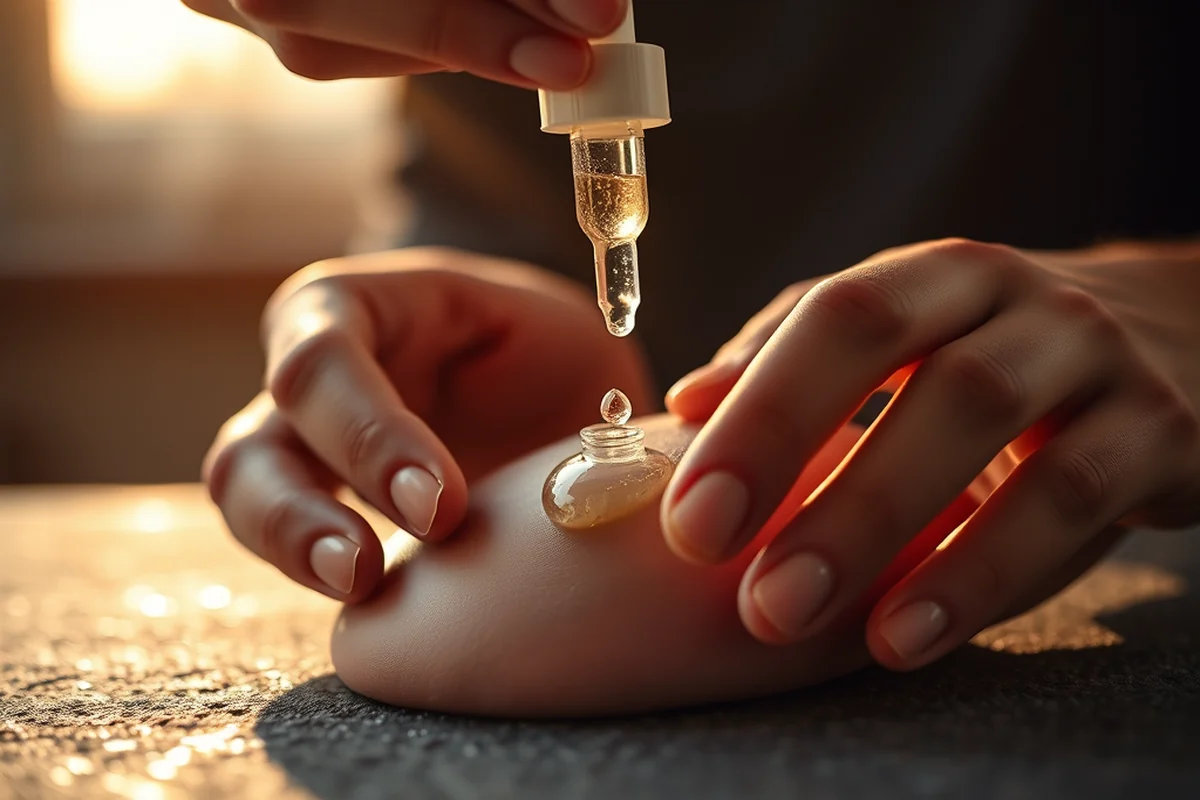
Commercial acne treatments often contain strong ingredients like salicylic acid, benzoyl peroxide, and retinoids. While these can be effective, they can also cause dryness, redness, and irritation, especially for sensitive skin. Herbal gels, on the other hand, use natural ingredients that are less likely to cause adverse reactions.
One of the biggest advantages of herbal acne gels is that they are often free from synthetic chemicals and preservatives. This makes them a safer choice for people with sensitive or acne-prone skin. Many users report that their skin feels more balanced and less reactive after switching to herbal treatments.
I’ve noticed that my skin feels more hydrated and less tight after using a herbal gel compared to commercial products. It’s not just about treating acne; it’s about maintaining the health of your skin over time. The long-term benefits of using natural products are becoming increasingly clear.
Natural doesn’t mean less effective—it means better for your skin.
Related: Natural acne cream
How to Apply a Herbal Acne Gel
Start by cleansing your skin thoroughly with a gentle cleanser. Pat your face dry with a clean towel. Then, take a small amount of the herbal gel and apply it directly to the affected areas. Gently massage it into your skin until it’s fully absorbed.
It’s best to apply the gel twice a day, in the morning and evening, after cleansing. You can also use it as a spot treatment for individual pimples. Just make sure not to over-apply, as this can lead to excess oil production and clogged pores.
I usually apply my herbal gel after my skincare routine and before applying moisturizer. It helps the gel absorb better and ensures that the other products in my routine work more effectively. I’ve found that consistency is key—using the gel regularly leads to the best results.
Use a clean cotton swab or a small brush to apply your gel. This helps prevent the transfer of bacteria from your hands to your face, which can worsen acne.
“I remember the first time I applied a homemade herbal acne gel.”— Natural Acne Spot Treatments editors
Related: Natural acne gel
The Benefits of Using a Herbal Acne Gel
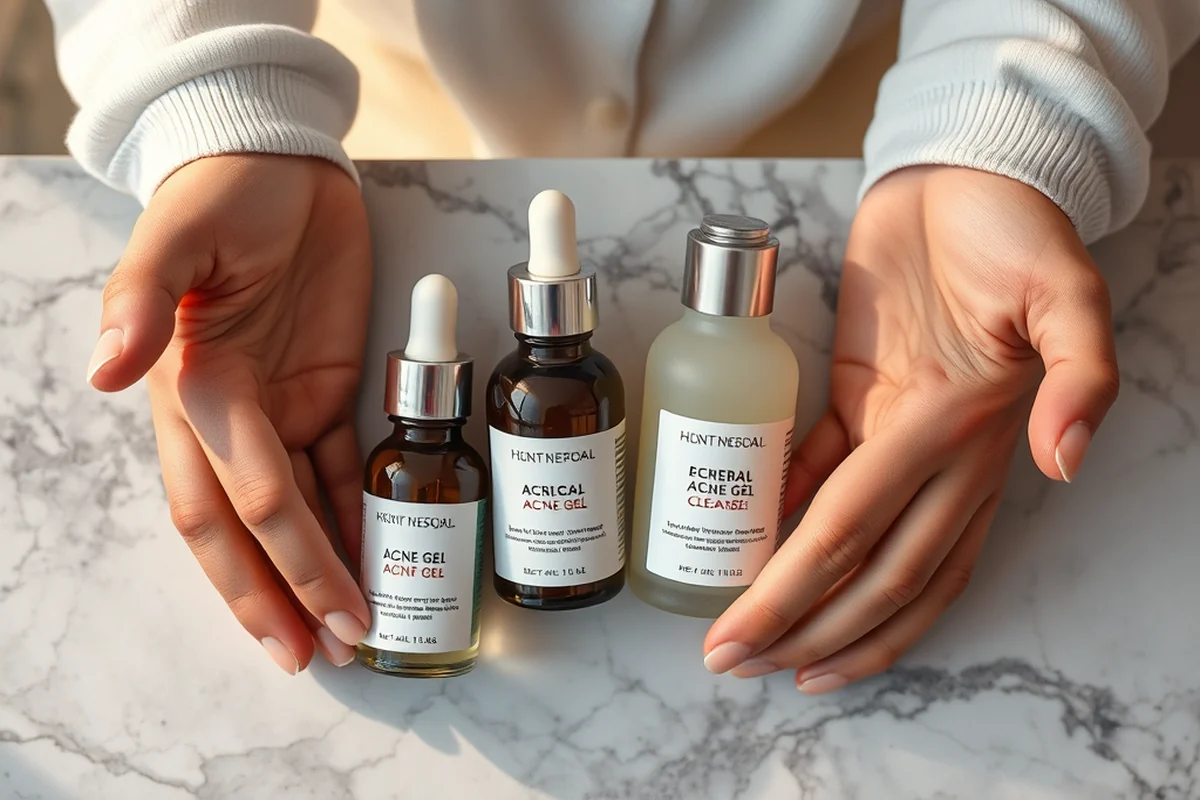
One of the most noticeable benefits of using a herbal acne gel is the reduction in inflammation. Ingredients like chamomile and green tea extract have natural anti-inflammatory properties that can help soothe red, irritated skin. This makes herbal gels ideal for people with sensitive or inflamed skin.
Another benefit is the improvement in skin texture. Many users report that their skin feels smoother and more even after using a herbal gel regularly. This is due to the presence of exfoliating ingredients like papaya enzymes and honey, which help remove dead skin cells and promote cell turnover.
I’ve noticed that my skin looks more radiant and even-toned after using a herbal gel. It’s not just about getting rid of pimples—it’s about creating a healthier, more balanced complexion. The long-term benefits of using natural products are becoming increasingly clear.
Related: Herbal essences acne
Customizing Your Herbal Acne Gel
Customizing your herbal acne gel is a great way to ensure that it works for your unique skin type and concerns. For example, if you have oily skin, you might want to add more astringent ingredients like witch hazel or lemon extract. If you have sensitive skin, you might want to avoid strong ingredients like tea tree oil and instead opt for gentler alternatives like oat extract or calendula.
One of the best ways to customize your gel is by experimenting with different combinations of ingredients. Some users find that adding a few drops of lavender oil or rose water helps calm their skin and reduce redness. Others find that adding a pinch of honey or aloe vera helps hydrate their skin and reduce dryness.
I’ve found that the key to customizing your herbal acne gel is to start with a base of aloe vera or green tea and then experiment with different essential oils and extracts. It’s all about finding the right balance of ingredients that work for your skin.
Related: Natural alternatives for hormonal acne
The Long-Term Benefits of Using Herbal Acne Gels
One of the biggest long-term benefits of using a herbal acne gel is the improvement in your skin’s overall health. Unlike commercial products that can strip your skin of its natural oils, herbal gels help maintain the skin’s natural balance. This can lead to fewer breakouts, less redness, and a more even skin tone over time.
Another long-term benefit is the improvement in your skin’s texture and elasticity. Ingredients like green tea extract and aloe vera have been shown to improve skin elasticity and reduce the appearance of fine lines. This makes herbal gels a great choice for people who want to maintain a youthful, healthy complexion.
I’ve noticed that my skin looks more radiant and even-toned after using a herbal gel regularly. It’s not just about getting rid of pimples—it’s about creating a healthier, more balanced complexion. The long-term benefits of using natural products are becoming increasingly clear.
Healthier skin starts with the right natural ingredients.
Related: Natural acne cleanser
How to Store Your Herbal Acne Gel
To keep your herbal acne gel fresh and effective, store it in a cool, dark place away from direct sunlight. Exposure to heat and light can cause the ingredients to break down and lose their potency. A bathroom cabinet or a drawer are both good options.
It’s also important to keep your gel in an airtight container to prevent contamination. This will help preserve the ingredients and extend the shelf life of your gel. If you’re using a homemade gel, it’s best to use it within a few weeks to ensure maximum effectiveness.
I’ve found that storing my gel in an airtight jar in the refrigerator helps it last longer and remain fresh. It’s also a good idea to label your gel with the date it was made so you can keep track of its shelf life.
🌼 Sensitive Skin
A gentle herbal gel with soothing ingredients like oat extract and chamomile for sensitive, inflamed skin.
💰 Budget-Friendly
A cost-effective herbal gel using basic, widely available ingredients like aloe vera and green tea extract.
🧴 Minimalist Routine
A simple, no-frills herbal gel that fits into a minimal skincare routine with just a few key ingredients.
🎯 Targeted Treatment
A concentrated herbal gel designed for spot treatments, using strong ingredients like tea tree oil and salicylic acid.
🔄 Maintenance Routine
A long-term herbal gel that helps maintain clear skin, using ingredients like turmeric and honey for ongoing care.
| The mistake | Why it happens | The fix |
|---|---|---|
| Using too much gel on the skin | Applying too much gel can lead to excess oil production and clogged pores, which may worsen acne rather than improve it. | Use only a small amount of gel and apply it evenly to the affected areas. Avoid over-application to prevent irritation. |
| Not storing the gel properly | Improper storage can cause the gel to spoil and lose its effectiveness, leading to ineffective or even harmful results. | Store your gel in a cool, dark place in an airtight container to preserve its potency and extend its shelf life. |
| Using a gel that is too strong for your skin type | Using a gel that is too strong for your skin can cause irritation, redness, and even breakouts. | Start with a gentle gel and gradually increase the strength if needed. Always patch test new products before applying them to your entire face. |
| Not being consistent with use | Inconsistent use of a herbal acne gel can lead to slower results and a higher risk of recurring breakouts. | Make sure to apply the gel consistently as part of your daily skincare routine for the best results. |
Herbal Acne Gel
Common Questions
How long should I use a herbal acne gel before seeing results?
Can I use a herbal acne gel on sensitive skin?
How often should I apply a herbal acne gel?
Can I mix different herbal acne gels together?
References
- Formulation and Evaluation of Polyherbal Gel Containing Natural ... (academia.edu)
- Page 1 of 7 - accessdata.fda.gov (accessdata.fda.gov)
- Student Salon & Spa Services in Greenville (alexanderpaul.edu)
- Salicylic acid - The University of Maryland, Baltimore (archive.hshsl.umaryland.edu)
Cite this guide
Natural Acne Spot Treatments (2026). Herbal Acne Gel: What It Is and How to Use It Effectively. https://leafclue.com/herbal-acne-gel/
Feel free to cite or share this guide.