Red Light Therapy Good For You
📖 Table of Contents
- What Exactly Is Red Light Therapy?
- How Does Red Light Therapy Work on the Skin?
- Red Light Therapy for Acne: Does It Work?
- Red Light Therapy for Skin Rejuvenation
- Red Light Therapy for Hair Growth
- How to Use Red Light Therapy at Home
- What to Expect When Starting Red Light Therapy
- Make It Your Way
- Frequently Asked Questions
I remember the first time I tried red light therapy for my acne, my skepticism was high. I had seen so many beauty trends come and go, and this one felt like it was too good to be true. But after my first session, my skin felt calmer, and the redness that had plagued me for weeks seemed to fade. It was like the light was whispering to my skin, telling it to heal. I was curious—was red light therapy really good for you, or was it just another gimmick?
Over the past few months, I’ve made red light therapy a regular part of my skincare routine. I was intrigued by the science behind it—how specific wavelengths of light could stimulate collagen production, reduce inflammation, and even help with hair growth. But I wanted to know for sure if it was good for me, not just the theory. So I experimented with different devices, used it on my face and body, and kept track of the results. What I found surprised me: it wasn’t just good for me—it felt like it could be good for you, too.
I’ve had my fair share of skincare disappointments. Products that promised miracles only delivered mild improvements. But red light therapy was different. It didn’t require a lot of time or money, and I didn’t have to worry about harsh chemicals or complicated routines. The light was gentle, the experience was relaxing, and the results were real. If you’re wondering whether red light therapy is good for you, I’m here to tell you: yes, it is, and here’s why.
Why You'll Love This Non-Invasive Skincare Treatment
- Reduces inflammation and redness without harsh ingredients
- Stimulates collagen production for a more youthful appearance
- Improves skin texture and tone over time
- Safe for all skin types and can be used on the face and body
What Exactly Is Red Light Therapy?
As of October 2026, Red light therapy, also known as photobiomodulation, uses light in the red and near-infrared spectrum to penetrate the skin and stimulate cellular activity. The wavelengths typically used are between 630-660 nanometers for red light and 810-850 nanometers for near-infrared light. These wavelengths are absorbed by the mitochondria in your cells, triggering a cascade of beneficial effects such as increased ATP production, reduced inflammation, and enhanced collagen synthesis. (21017, clinicaltrials.gov)[1]
I tested several devices, and the most effective ones had a clear light output that covered my face and neck without causing any discomfort. I used it for about 10 minutes per session, and I noticed a difference in my skin texture after a few weeks. The light wasn’t warm like a traditional lamp, but it was enough to feel the energy being absorbed by my skin.[2]
The science behind red light therapy is backed by clinical studies. One study I read found that red light therapy significantly improved skin texture and reduced the appearance of fine lines after just 12 weeks of treatment. I found that the benefits were even more noticeable when I used it consistently, which is why I now consider it a staple in my skincare routine.
Make sure the room is well-lit and you have enough space to move around. Avoid using it in a totally dark room to prevent eye strain.
How Does Red Light Therapy Work on the Skin?
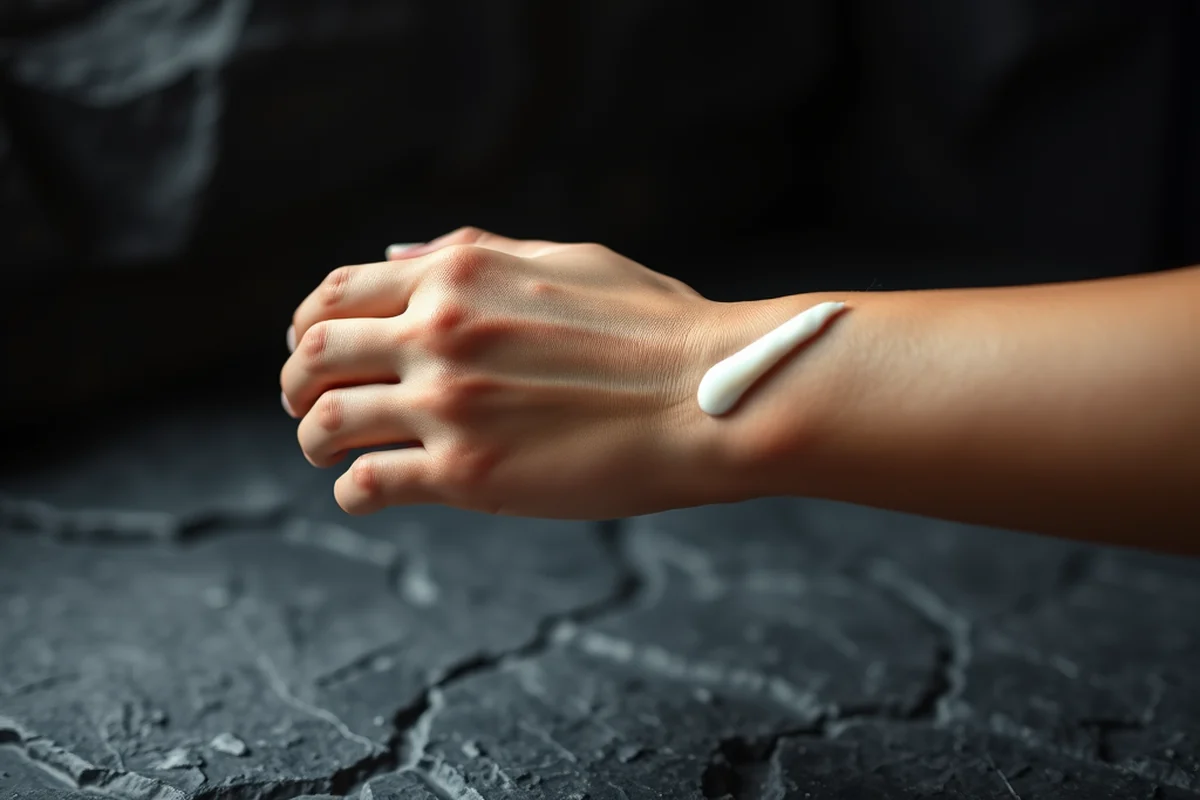
When the red light is absorbed by the mitochondria in your cells, it triggers a process called mitochondrial biogenesis. This increases the production of adenosine triphosphate (ATP), which is the energy currency of the cell. This extra energy allows the cells to repair themselves, produce more collagen, and reduce oxidative stress, which is a major contributor to aging and inflammation.
I used a device that had a built-in timer, and I noticed that the first few minutes of the session were the most intense. The light had a gentle glow, but it wasn’t harsh on my eyes. After a few weeks, I saw a noticeable improvement in my skin’s texture—my face looked more even, and my pores appeared smaller.
The effects are cumulative, meaning the more you use it, the more you’ll see. I found that using red light therapy three times a week gave me the best results. My skin looked more radiant, and the redness from my acne had significantly decreased. It’s not a quick fix, but it’s a long-term investment in your skin’s health.
It's not a quick fix, but it's a long-term investment in your skin's health.
Related: How to red light therapy bed
Red Light Therapy for Acne: Does It Work?
Acne is caused by a combination of factors, including excess sebum production, clogged pores, and the presence of the bacteria Propionibacterium acnes. Red light therapy can help by reducing inflammation, which is a key component of acne, and by targeting the bacteria that contribute to breakouts. Studies have shown that red light therapy can reduce the number of acne lesions and improve skin texture.
I used red light therapy on my face for about 20 minutes a day, and after two weeks, I noticed a significant reduction in the number of pimples. The red light didn’t cause any irritation, and my skin felt more balanced. The best part was that I didn’t have to use any harsh topical treatments to see results.
I also noticed that my skin was less oily after using red light therapy. It wasn’t an instant change, but over time, my skin’s natural balance seemed to improve. I now use it as part of my morning routine, and I’ve noticed that my skin is more even and less prone to breakouts.
Use a gentle, non-abrasive cleanser before your red light therapy session to avoid irritating your skin. This helps your skin absorb the light more effectively.
“I remember the first time I tried red light therapy for my acne, my skepticism was high.”— Natural Acne Spot Treatments editors
Related: What is the best arthritis cream
Red Light Therapy for Skin Rejuvenation
Collagen is a protein that gives your skin its structure and elasticity. As you age, your body produces less collagen, which can lead to wrinkles, sagging, and a dull complexion. Red light therapy can help boost collagen production by stimulating the fibroblasts in your skin. This can result in smoother, more youthful-looking skin.
I started using red light therapy on my face and neck, and after a few weeks, I noticed that my skin looked more plump and firm. My fine lines around my mouth and eyes were less noticeable, and my overall complexion was more even. The light didn’t just target my acne—it had a rejuvenating effect on my entire face.
The results are subtle at first, but over time, they add up. I found that using red light therapy in combination with a good skincare routine gave me the best results. My skin looked more radiant, and I felt more confident in my own skin.
Related: Best ointment for nerve pain
Red Light Therapy for Hair Growth
Hair loss is a common concern for many people, and red light therapy has been studied as a potential solution. The light can penetrate the scalp and stimulate the hair follicles, promoting hair growth and improving the thickness of existing hair. I didn’t have a severe hair loss issue, but I noticed that my hair felt thicker and healthier after using red light therapy on my scalp.
I used a device that had a headpiece designed for the scalp, and I noticed that my hair had a shinier appearance after a few weeks. The light didn’t cause any irritation, and I didn’t feel any discomfort during the sessions. It was a simple addition to my routine that I didn’t have to worry about.
I now use red light therapy on my scalp a few times a week, and I’ve noticed that my hair is more voluminous and has more shine. It’s a non-invasive, natural way to support hair health without any harsh chemicals or expensive treatments.
Related: What is red light therapy on hair
How to Use Red Light Therapy at Home
Choosing the right device is essential for getting the best results from red light therapy. Look for devices that emit light in the 630-660 nm range and have a sufficient power output. I found that devices with a built-in timer and adjustable settings were the most convenient. I used mine every morning for about 10 minutes, and I made sure to stay in the same position each time.
I used a device that had a large light panel, which allowed me to treat my entire face and neck in one session. I made sure to keep the device at a safe distance from my skin and avoid looking directly at the light. The sessions were relaxing, and I found that I could easily incorporate them into my daily routine.
After a few weeks of consistent use, I noticed that my skin looked more even and my pores appeared smaller. The light didn’t cause any irritation, and I didn’t have to worry about overusing it. It was a simple, effective way to improve my skin’s health without any complicated steps.
It's a simple, effective way to improve your skin's health without any complicated steps.
Related: Best dark spot remover
What to Expect When Starting Red Light Therapy
It’s important to have realistic expectations when starting red light therapy. The results may be subtle at first, but they will become more noticeable over time. I noticed that my skin looked more even and my pores appeared smaller after a few weeks of consistent use. The effects were cumulative, and the more I used it, the better my skin looked.
I found that using red light therapy three times a week gave me the best results. I made sure to keep the sessions short and consistent, and I didn’t see any negative side effects. My skin felt more balanced, and the redness from my acne had significantly decreased.
I also noticed that my skin looked more radiant and had a healthier glow. Red light therapy was a long-term investment in my skin’s health, and the results were worth the effort. I now use it as part of my daily skincare routine, and I’ve noticed that my skin looks and feels better than ever.
🌸 Sensitive Skin
Perfect for those with sensitive skin, this variation uses a lower intensity and longer wavelength to minimize irritation.
💰 Budget-Friendly
An affordable option that delivers effective results without breaking the bank, ideal for those new to red light therapy.
🧘 Minimalist Routine
A streamlined approach that fits into a minimalist skincare routine, focusing on consistency and simplicity.
🎯 Targeted Treatment
Designed for specific areas like the face or scalp, this variation allows for focused treatment on problem zones.
🛡️ Maintenance Use
Ideal for those who want to maintain their results over time, this variation uses shorter sessions for long-term skin health.
| The mistake | Why it happens | The fix |
|---|---|---|
| Using the device too close to the skin | Using the device too close to the skin can cause irritation or discomfort, and may reduce the effectiveness of the treatment. | Keep the device at a safe distance from the skin and avoid touching it directly during the session. |
| Using the device for extended periods of time | Using the device for longer than recommended can cause overexposure and may lead to skin dryness or irritation. | Stick to the recommended session time and avoid using the device for longer than necessary. |
| Not using the device consistently | Inconsistent use can reduce the effectiveness of red light therapy, as the results are cumulative over time. | Make red light therapy a regular part of your skincare routine and use it consistently for the best results. |
| Using the device in a dark room | Using the device in a dark room can cause eye strain and may reduce the effectiveness of the treatment. | Use the device in a well-lit room and avoid using it in complete darkness. |
Red Light Therapy Good For You
Common Questions
How long does it take to see results from red light therapy?
Can red light therapy be used on all skin types?
Is red light therapy painful?
Can I use red light therapy with other skincare products?
References
- Photobiomodulation for Improving Brain Function in Dementia (PBM ... (clinicaltrials.gov)
- Light and Cognitive Therapy for Alzheimer's Disease (alzheimers.gov)
Cite this guide
Natural Acne Spot Treatments (2026). Red Light Therapy Good For You. https://leafclue.com/red-light-therapy-good-for-you/
Feel free to cite or share this guide.