
Natural Materials
📖 Table of Contents
Natural Materials in beauty are more than a trend — they are a fundamental shift toward cleaner, safer, and more effective skincare. From face washes to acne treatments, the use of natural ingredients is reshaping the industry by reducing harmful chemicals and offering proven, eco-friendly alternatives.
This guide explores the role of natural materials in beauty, focusing on their use in face washes, the types of natural materials themselves, and how they are applied in acne treatments. Whether you're new to natural skincare or looking to deepen your understanding, this hub provides essential insights.
Natural Materials are not just about what's in the bottle — they're about how those materials work with your skin, support health, and align with personal values. By the end of this guide, you'll understand why natural beauty is a game-changer and how to choose the right products for your needs.
Key Takeaways
- Natural face washes are effective and safe, often containing ingredients like aloe vera and green tea.
- Natural materials such as clay, oils, and botanicals provide benefits like hydration, anti-inflammatory properties, and skin renewal.
- Acne treatments using natural ingredients like tea tree oil and salicylic acid are backed by research and offer long-term benefits.
- Choosing products with natural materials can improve skin health and reduce the risk of irritation and long-term damage.
Face Wash
As of August 2026, Natural face washes are designed to remove dirt and oil while maintaining the skin's natural moisture barrier. Unlike conventional face washes, which may contain sulfates, parabens, and synthetic fragrances, natural alternatives use plant-based ingredients that are less likely to cause irritation or dryness.[1]
A study published in the *Journal of Cosmetic Dermatology* found that face washes containing aloe vera and green tea extract reduced inflammation and improved skin texture in participants with sensitive skin. These ingredients are also known for their antioxidant properties, which help combat environmental stressors.[2]
When choosing a natural face wash, look for products that are free from artificial additives and are cruelty-free. Brands like The Ordinary and Pai Skincare offer a wide range of natural, skin-friendly face washes that are suitable for all skin types.
In this guide:
In this guide:
In this guide:
In this guide:
In this guide:
Natural Materials
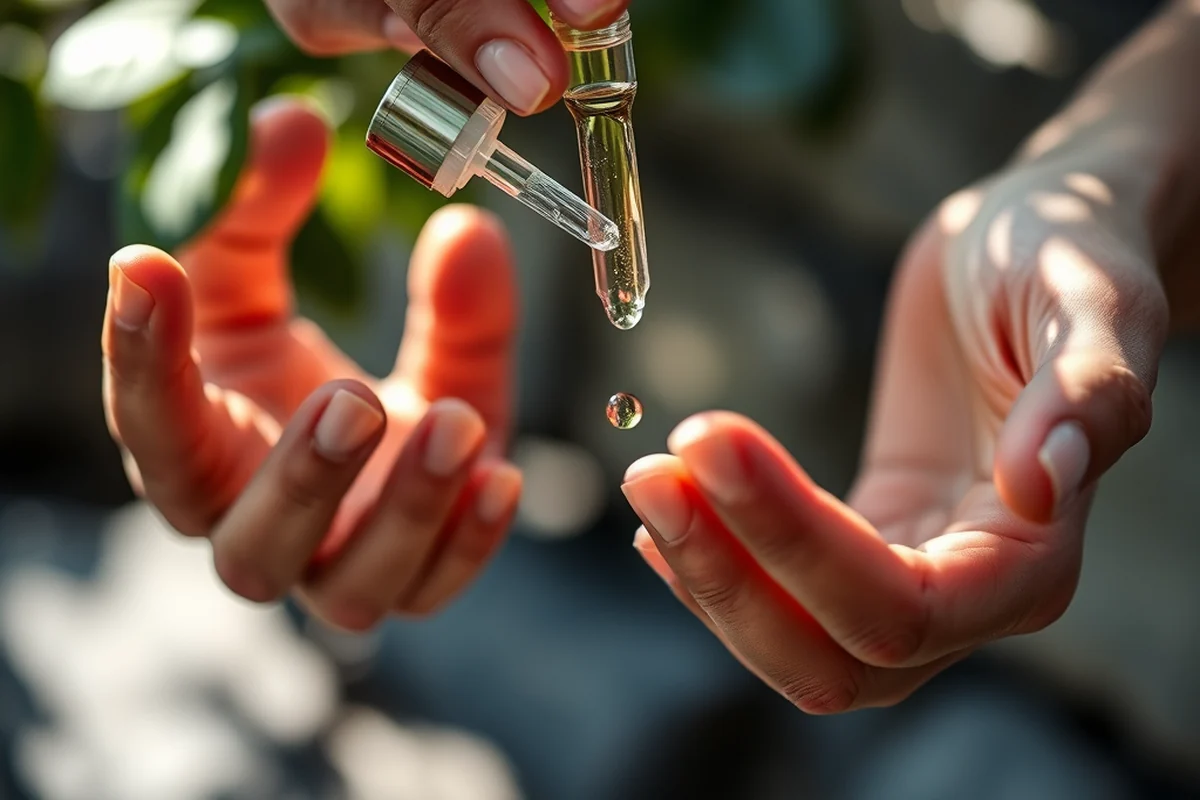
Natural materials are the foundation of many skincare and beauty products. These materials are derived from plants, minerals, and other organic sources and are valued for their ability to support skin health without the use of synthetic chemicals. Examples include shea butter, which is rich in fatty acids and helps moisturize the skin, and charcoal, which is used in cleansers to draw out impurities.
The demand for natural materials in the beauty industry has grown significantly in recent years. According to a report by Grand View Research, the global natural skincare market is projected to reach $25.4 billion by 2028, highlighting the increasing consumer preference for clean and sustainable beauty.[3]
Natural materials are also used in makeup, hair care, and body products. For instance, jojoba oil is a popular ingredient in lip balms and moisturizers due to its similarity to the skin's natural oils, making it highly effective at hydrating without leaving a greasy residue.
Related: Natural Materials Scars
Related: Natural Ways To Kill Acne
Related: Natural Pimple Patch At Home
Related: Natural Acne Kit
Related: What Are Acne Treatments
Related: Is Red Light Therapy A Scam
Acne Treatments
Natural acne treatments are gaining popularity due to their effectiveness and minimal side effects compared to traditional over-the-counter products. Ingredients like tea tree oil, which has strong antibacterial properties, and salicylic acid, a beta hydroxy acid that exfoliates the skin, are commonly used in natural treatments.
Research from the *International Journal of Dermatology* found that topical tea tree oil was as effective as benzoyl peroxide in treating mild to moderate acne. With fewer side effects such as dryness and redness. This makes it a preferred option for many individuals with sensitive skin.[4]
Natural acne treatments can be used in various forms, including topical serums, masks, and spot treatments. Brands like Bioderma and Dr. Nails offer natural, science-backed acne treatments that are suitable for all skin types and can be incorporated into a daily skincare routine.
“Natural Materials in beauty are more than a trend — they are a fundamental shift toward cleaner, safer, and more effective skincare.”— Natural Acne Spot Treatments editors
Expert Tips and Advanced Techniques
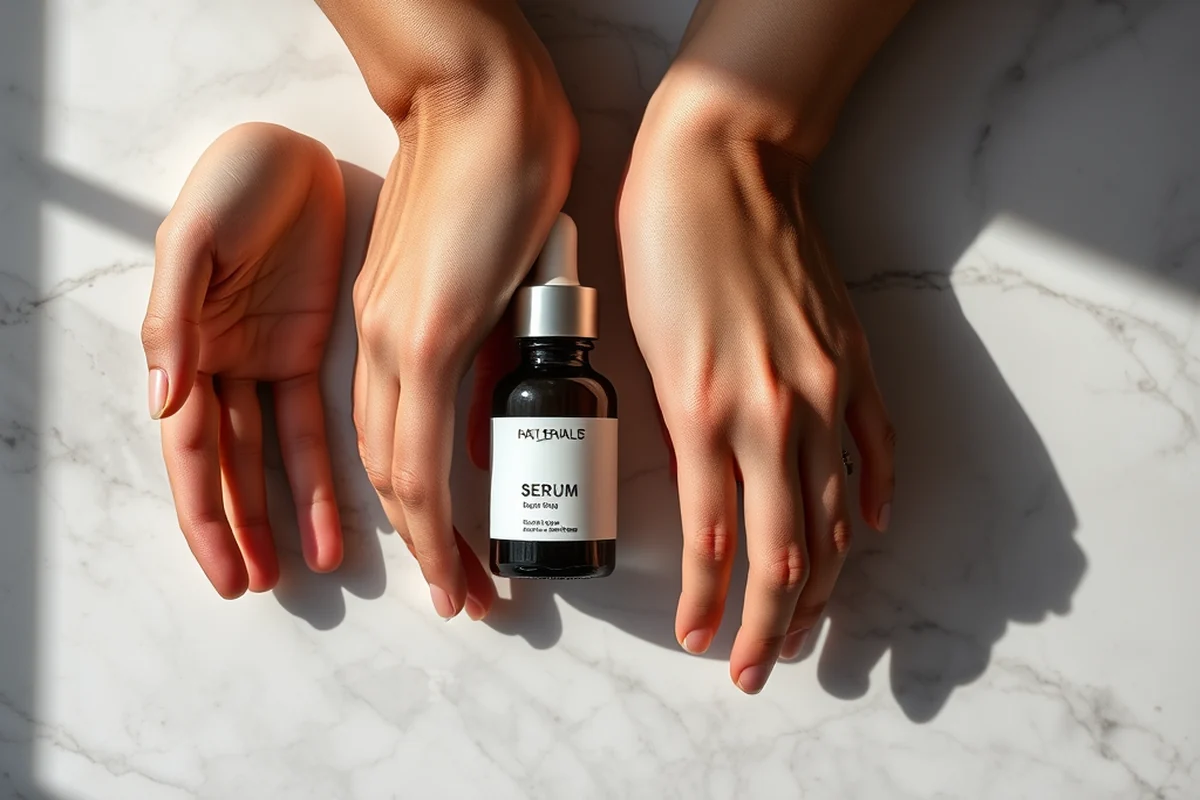
To improve your natural beauty routine, consider incorporating advanced techniques such as facial steaming, which helps open pores and increase product absorption. Expert tip: Use distilled water or herbal infusions for a more tailored experience. This method not only enhances skin texture but also allows for deeper penetration of natural oils and serums.
For those looking to enhance their skincare, advanced techniques like DIY exfoliation using natural ingredients—such as coffee grounds, oats, or baking soda—can provide a more personalized and effective approach. Always patch test new ingredients and adjust the frequency of use based on your skin's sensitivity and response.
Another advanced technique is the use of natural colorants and pigments for makeup. By mastering the art of mixing and blending, you can create custom shades that are not only eco-friendly but also unique to your skin tone. Consider investing in quality tools and learning from tutorials to refine your skills further.
Tools, Materials and Resources
Natural beauty enthusiasts should invest in high-quality tools such as bamboo combs, glass storage containers, and silicone applicators to ensure product integrity and longevity. These materials are non-reactive and help maintain the potency of natural ingredients over time.
With materials, sourcing organic and ethically produced ingredients is key. Look for suppliers that offer fair trade and sustainable options, such as raw shea butter, aloe vera gel, and essential oils. Always verify the purity and origin of the products you use.
For resources, consider following reputable blogs, watching tutorials on platforms like YouTube, and joining online communities where natural beauty experts and enthusiasts share tips and experiences. Books on herbalism and natural skincare can also provide in-depth knowledge and inspiration for your journey.
Troubleshooting and Common Questions
One of the most common challenges when working with natural materials is spoilage due to the lack of preservatives. Natural products are more prone to bacterial growth and oxidation, which can lead to rancidity or mold. To address this, it's important to use natural preservatives like vitamin E oil, grapefruit seed extract, or essential oils with antimicrobial properties. Storing products in a cool, dark place and using them within a short period can also help extend their shelf life.
Inconsistency in texture or color is another frequent issue, often caused by improper mixing or the use of low-quality ingredients. To ensure a uniform product, it's crucial to measure ingredients accurately and mix thoroughly. Using a blender or a double boiler can help achieve a smooth, homogeneous consistency. Also, sourcing high-quality, organic ingredients can reduce the risk of impurities or uneven results.
Sensitivity or allergic reactions may occur due to the presence of certain natural ingredients. It's important to perform patch tests before using any new product. Keeping a detailed record of ingredients used can help identify potential allergens. If a reaction occurs, discontinuing use and consulting a dermatologist is recommended. Understanding these common issues and how to address them helps in creating safe, effective natural beauty products.
Getting Started: Your First Steps
Start by identifying your skin type and concerns, as this will guide you in selecting the right natural ingredients. For example, oily skin may benefit from clay and tea tree oil, while dry skin may respond better to oils and honey.
Begin with small, single-ingredient products or DIY treatments to test how your skin reacts. This helps you avoid overwhelming your skin with too many new components at once.
Educate yourself by reading labels, consulting trusted sources, and exploring reputable brands that use high-quality natural materials. This ensures you're making informed, safe choices for your beauty routine.
🌱 Beginner
The simplest version — minimal supplies, quick win.
💰 Budget
Same result using what you already have.
⚡ Quick
The 10-minute version for busy days.
✨ Advanced
The upgraded version once the basics stick.
| The mistake | Why it happens | The fix |
|---|---|---|
| Using too many natural products at once. | Overloading the skin with too many natural products can lead to breakouts, irritation, or an imbalance in the skin's microbiome. | Start with one or two natural products and gradually introduce more as your skin adjusts and tolerates them. |
Common Questions
What is a natural pimple face wash?
What are natural acne treatments?
What are the benefits of using natural materials in skincare?
Are natural face washes effective for all skin types?
Cite this guide
Natural Acne Spot Treatments (2026). Natural Materials. https://leafclue.com/natural-materials/
Feel free to cite or share this guide.
References
- Natural Materials Research Papers - Academia.edu (academia.edu)
- Natural Materials Lab - Columbia GSAPP (arch.columbia.edu)
- Facts About Radiation from the Earth (Terrestrial Radiation) - CDC (cdc.gov)
- Sustainable Materials and Technology (cnr.ncsu.edu)