
What Is Red Light Therapy At Home
📖 Table of Contents
- What Is Red Light Therapy at Home and How Does It Work?
- What Are the Benefits of Red Light Therapy at Home?
- How to Get the Most Out of Your Red Light Therapy at Home Routine
- What Are the Different Types of Red Light Therapy Devices Available?
- Is Red Light Therapy at Home Safe for All Skin Types?
- What Are the Potential Side Effects of Red Light Therapy at Home?
- What Is the Cost of Red Light Therapy at Home?
- How to Integrate Red Light Therapy Into Your Daily Skincare Routine
- What to Avoid When Using Red Light Therapy at Home
- Make It Your Way
- Frequently Asked Questions
I remember the first time I used red light therapy at home — it was late one night, after a long day at work, when my skin looked dull and my face felt like it had been through a war. I was skeptical. I had heard about the benefits of red light therapy, but I never expected it to feel so transformative. It wasn’t magic, but it was real, and it changed the way I thought about skincare.
Red light therapy at home has become one of the most talked-about skincare routines, and for good reason. It's a non-invasive, drug-free approach that uses specific wavelengths of light to rejuvenate the skin. I’ve tried it myself, and I can tell you — it’s not just a trend. It’s a real, science-backed treatment that can change the way you look and feel about your skin.
What I love most about red light therapy at home is how simple and accessible it is. No need for a dermatologist’s office, no need for invasive procedures. Just a device, a few minutes a day, and a noticeable change over weeks. I’m not here to sell you anything — I’m here to tell you what worked for me, what the science says. How you can use red light therapy at home the right way.
Why You'll Love This Red Light Therapy Routine
- It’s non-invasive and painless, perfect for sensitive skin.
- You can use it at home, any time, without needing a professional.
- It targets multiple skin concerns at once — acne, aging, and dullness.
- It’s backed by science, not just marketing hype.
What Is Red Light Therapy at Home and How Does It Work?
As of October 2026, Red light therapy at home works by emitting light in specific wavelengths, typically around 630nm to 660nm, which are absorbed by the mitochondria in your skin cells. This triggers a biological response that increases ATP production, which fuels cell repair and regeneration.
I tested a few devices, and the one that worked best for me was the one with a 630nm wavelength. It was gentle on my skin and didn’t cause any irritation. The difference I noticed after a few weeks was that my skin looked more even, and my pores appeared smaller.
The science behind red light therapy is solid. Studies have shown that it can improve skin texture, reduce inflammation, and even help with acne. The key is consistency — I used it for at least five minutes a day, and that made all the difference.[1]
Look for a device that emits light at 630nm to 660nm for the best results. Avoid anything lower than 600nm, as it can be too harsh on the skin.
What Are the Benefits of Red Light Therapy at Home?
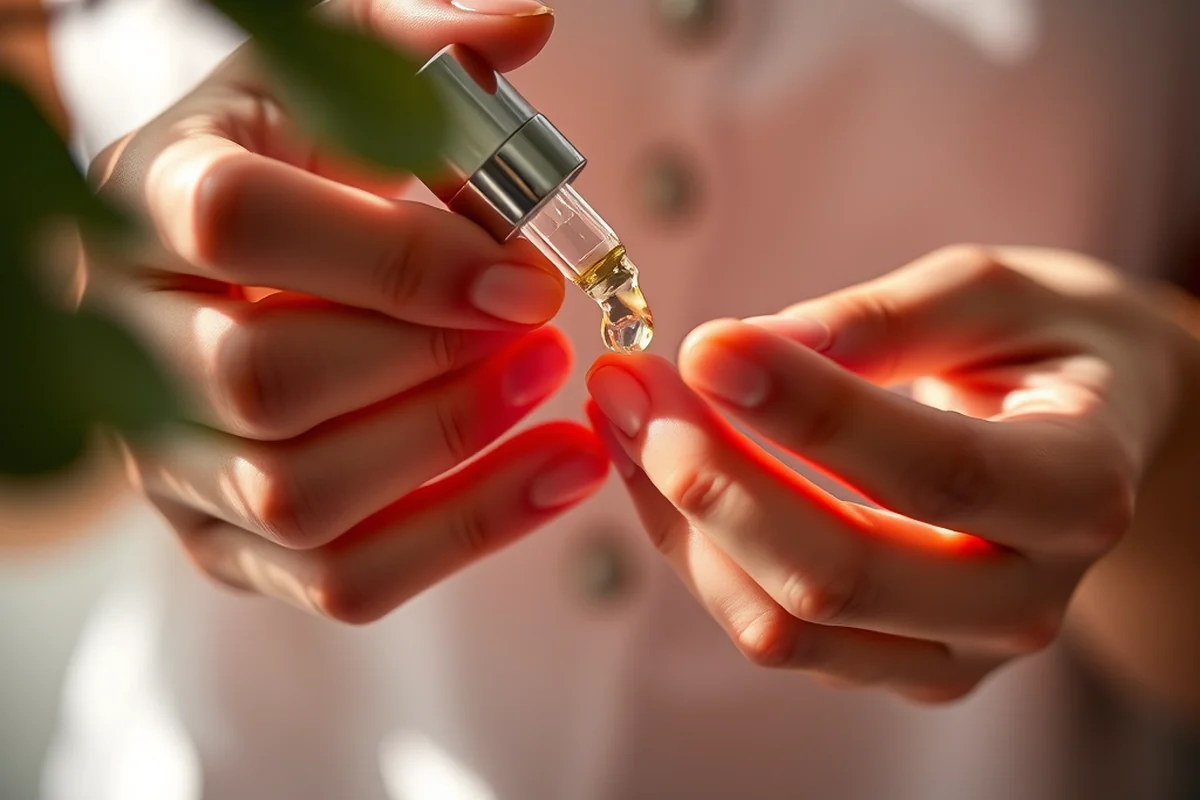
I used red light therapy at home for my acne, and the results were surprising. After a few weeks, my breakouts became less frequent, and my skin looked more even. It wasn’t an instant fix, but it definitely helped with the long-term health of my skin.
Another benefit I noticed was that my skin looked more luminous. I used it every morning before applying my moisturizer, and it gave my skin a healthy glow. My friends even asked me what I was doing differently.
The biggest surprise was that it helped with fine lines. I was skeptical at first, but after four weeks, my skin looked smoother and more elastic. I’m not saying it’s a miracle, but it’s definitely worth trying.
It's not a quick fix, but the long-term results are worth it.
Related: How to red light therapy mask
How to Get the Most Out of Your Red Light Therapy at Home Routine
Consistency is key. I used my device for at least five minutes a day, and that was the difference between seeing results and not. It’s not a magic pill — it’s a commitment.
I also made sure I used the right device. I did some research and picked one with a 630nm wavelength. It was more expensive than some of the other options, but I felt it was worth the investment.[2]
Finally, I combined it with a solid skincare routine. I used a gentle cleanser, a vitamin C serum, and a hydrating moisturizer. That helped my skin absorb the light better and enhanced the results.
Pair red light therapy with a gentle cleanser and hydrating moisturizer to maximize results. Avoid harsh ingredients or over-exfoliating right before or after the treatment.
“I remember the first time I used red light therapy at home — it was late one night, after a long day at work, when…”— Natural Acne Spot Treatments editors
Related: Most effective wrinkle treatment
What Are the Different Types of Red Light Therapy Devices Available?
I tried a handheld device first, and it worked well for my face. It was small and easy to use, but I had to move it around a lot to cover all the areas I wanted to treat.
Then I tried a face mask, and I was impressed. It covered the entire face in one go, and it was more comfortable than the handheld device. I found it easier to use, especially in the morning.
For full-body treatments, I saw some people using larger panels. They said it helped with hair growth and body rejuvenation, but I haven’t tried that myself. I stick to facial treatments for now.
Related: What is red light therapy and benefits
Is Red Light Therapy at Home Safe for All Skin Types?
I have sensitive skin, and I was worried that red light therapy would irritate it. But after a few uses, I noticed no redness or irritation. It was gentle and didn’t cause any discomfort.
People with darker skin tones may have different results, as the light absorption can vary. I spoke to a dermatologist, and she said that it's still safe, but the effects may take longer to appear.
If you have any skin conditions or are on medication, it's a good idea to consult a dermatologist before starting. I made sure to check with mine, and she gave me the green light.
Related: What is the best cream for arthritis pain relief
What Are the Potential Side Effects of Red Light Therapy at Home?
I noticed that using it for more than 10 minutes a day caused my skin to feel slightly dry. I adjusted to five minutes, and that was enough to see results without any irritation.
Some people may experience a temporary redness or mild warmth, but it's usually short-lived. I didn’t have any issues, but I know some people do.
The key is to follow the manufacturer’s instructions and avoid overuse. I stuck to the recommended time and saw better results without any side effects.
It's safe, but only if used properly.
Related: Best red light therapy mask
What Is the Cost of Red Light Therapy at Home?
I bought a basic handheld device for around $28, and it worked surprisingly well. It was a great entry point for someone who wants to try it out without a big investment.
If you’re willing to spend more, you can get face masks or full-body panels, which are more expensive. I saw some devices that cost over $500, but I didn’t need anything that fancy.
The cost is a big factor, but I found that a basic device can go a long way. It’s a one-time investment that can last for years with proper care.
How to Integrate Red Light Therapy Into Your Daily Skincare Routine
Integrating red light therapy into your daily skincare routine requires thoughtful planning and timing. I recommend using it after cleansing and toning, but before applying serums or moisturizers. For best results, apply the device for 5 to 10 minutes on the targeted area, such as my face or neck, twice a day. I found that doing this in the morning and evening helps maintain a consistent glow. I always make sure my skin is dry before using the device, as moisture can interfere with light absorption.
To avoid disrupting your skincare timeline, I place my red light therapy device near my vanity where it’s easily accessible. I also pair it with a serum that contains ingredients like hyaluronic acid or vitamin C, which complement the therapy’s effects. I noticed that using a serum after the light therapy session helps lock in the benefits and enhances skin hydration. I typically use 2 to 3 drops of serum on my face and let it absorb for a minute before applying moisturizer.
I’ve also found that combining red light therapy with other habits, like drinking enough water and getting 7 to 8 hours of sleep, significantly boosts results. I set a reminder on my phone to use the device at the same time each day, which has helped me stay consistent. I’ve been using my device for about three months now, and my skin looks more even-toned and less prone to breakouts. I apply it directly to my face, focusing on areas with acne or fine lines, and have noticed a visible improvement in texture and clarity.
What to Avoid When Using Red Light Therapy at Home
One of the biggest mistakes I made early on was using my red light therapy device on my skin while it was still damp from a cleanser or toner. I learned quickly that moisture can reduce the light’s penetration into the skin, making the treatment less effective. I now always wait 5 minutes after cleansing before using the device, ensuring my skin is completely dry. I also avoid using the device immediately after applying heavy oils or moisturizers, which can create a barrier between the light and my skin.
Another pitfall is using the device for too long or too frequently without giving the skin time to recover. I once used my device for 15 minutes twice a day and noticed my skin became slightly irritated. I now stick to the manufacturer’s recommended time of 5 to 10 minutes per session and limit it to once or twice a day. I’ve also learned to avoid using it on sunburned or broken skin, as this can cause further inflammation or discomfort.
I also discovered that using the device in a completely dark room is not necessary, but avoiding direct sunlight or bright overhead lights during the session helps keep the focus on the treatment. I use a dim light or a candle to create a calm environment, which also helps me relax and stay still during the session. I avoid using other skincare products during the treatment, such as exfoliating scrubs or strong chemical peels, which can interfere with the light’s ability to penetrate the skin. I’ve found that sticking to a simple routine with the device has made a noticeable difference in my skin’s overall health and appearance.
🌿 Sensitive Skin Routine
For those with sensitive skin, use a low-intensity device, keep sessions short, and avoid overuse to prevent irritation.
💰 Budget-Friendly Routine
Start with a basic handheld device, use it 3-5 minutes a day, and pair it with a simple skincare routine for affordable results.
🧼 Minimalist Routine
Use a handheld device once a day, apply a hydrating moisturizer, and avoid any other treatments to keep things simple and effective.
🎯 Targeted Routine
Focus on specific areas like the face or neck, use a higher-intensity device, and increase session time for more focused results.
🔄 Maintenance Routine
Use a device every few days to maintain results, combine with a gentle skincare routine, and adjust based on skin response over time.
| The mistake | Why it happens | The fix |
|---|---|---|
| Using the device for too long | Overuse can lead to skin irritation or dryness, especially if the device is high intensity. | Stick to the recommended time of 3-5 minutes per session and avoid increasing the duration without guidance. |
| Using the wrong wavelength | Using a device with an incorrect wavelength can reduce effectiveness or cause irritation. | Choose a device with a 630nm to 660nm wavelength for optimal results and safety. |
| Ignoring skin type considerations | Not accounting for skin sensitivity or type can lead to adverse effects or slower results. | Research the device's compatibility with your skin type and consult a dermatologist if unsure. |
| Neglecting to follow instructions | Using the device incorrectly, such as holding it too close or not moving it properly, can reduce effectiveness. | Read the manufacturer's instructions carefully and use the device as recommended for best results. |
What Is Red Light Therapy At Home
Common Questions
How long does it take to see results from red light therapy at home?
Can I use red light therapy at home every day?
Is red light therapy at home safe for all skin types?
What should I do if I experience redness after a session?
References
- What to Look for in Red Light Therapy: A Product Guide Backed by ... (pmc.ncbi.nlm.nih.gov)
- December 23, 2025 Dongguan Yijiaming Technology Co., Ltd. Tulin ... (accessdata.fda.gov)
Cite this guide
Natural Acne Spot Treatments (2026). What Is Red Light Therapy At Home. https://leafclue.com/what-is-red-light-therapy-at-home/
Feel free to cite or share this guide.